Why Teleprompters Make People Better On Camera
Most people assume a teleprompter makes you sound stiff. In my experience it’s the thing that finally lets smart people sound like themselves.
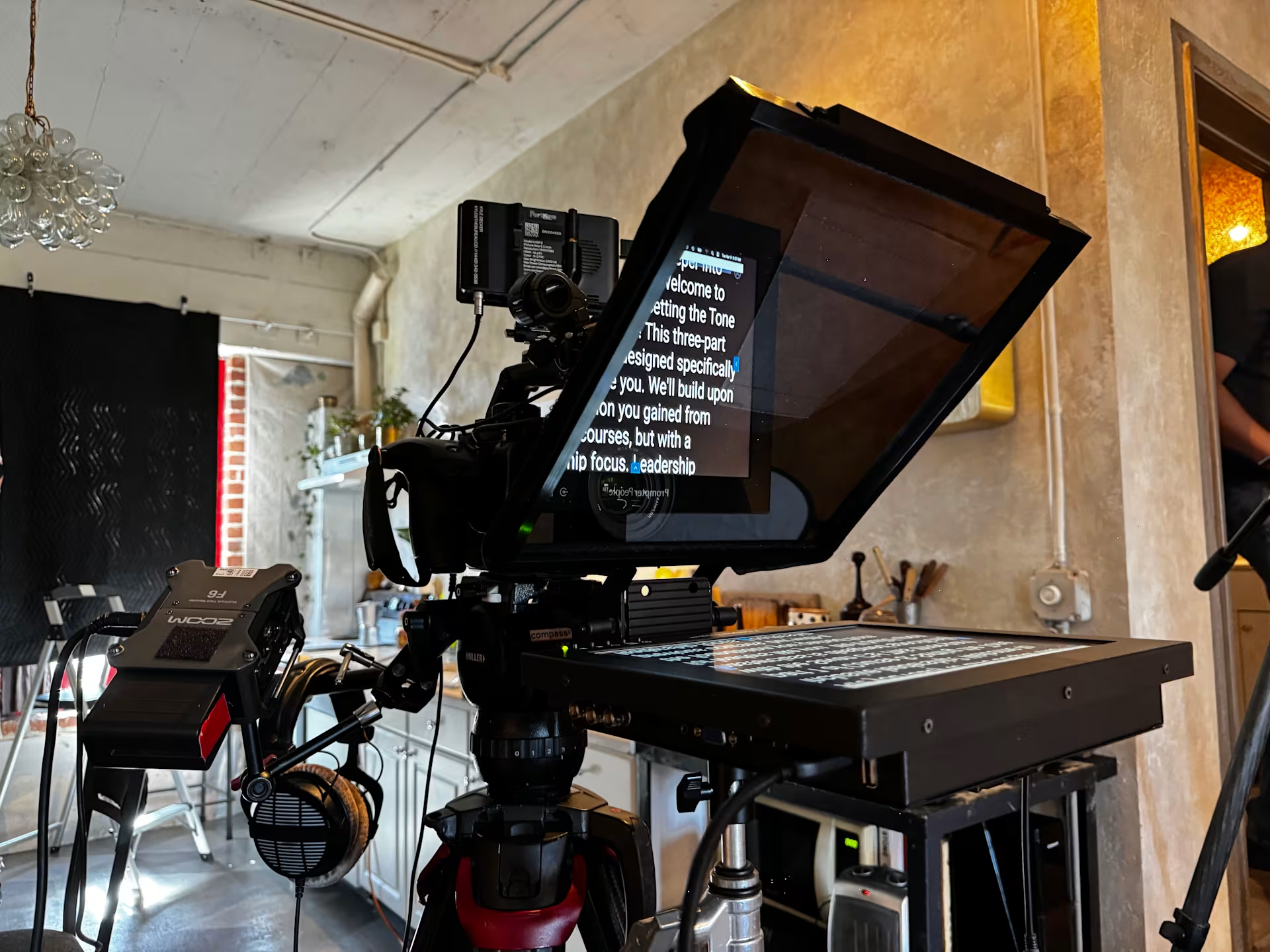
Say “teleprompter” and most people picture a politician or a news anchor reading off glass. That’s not how I use one.
On my shoots a teleprompter comes out for executive interviews, product launches, recruiting videos, keynote messaging, and branded pieces — basically any time someone has to say something specific, on camera, and get it right. It’s one of the most useful tools I own, and one of the most misunderstood.
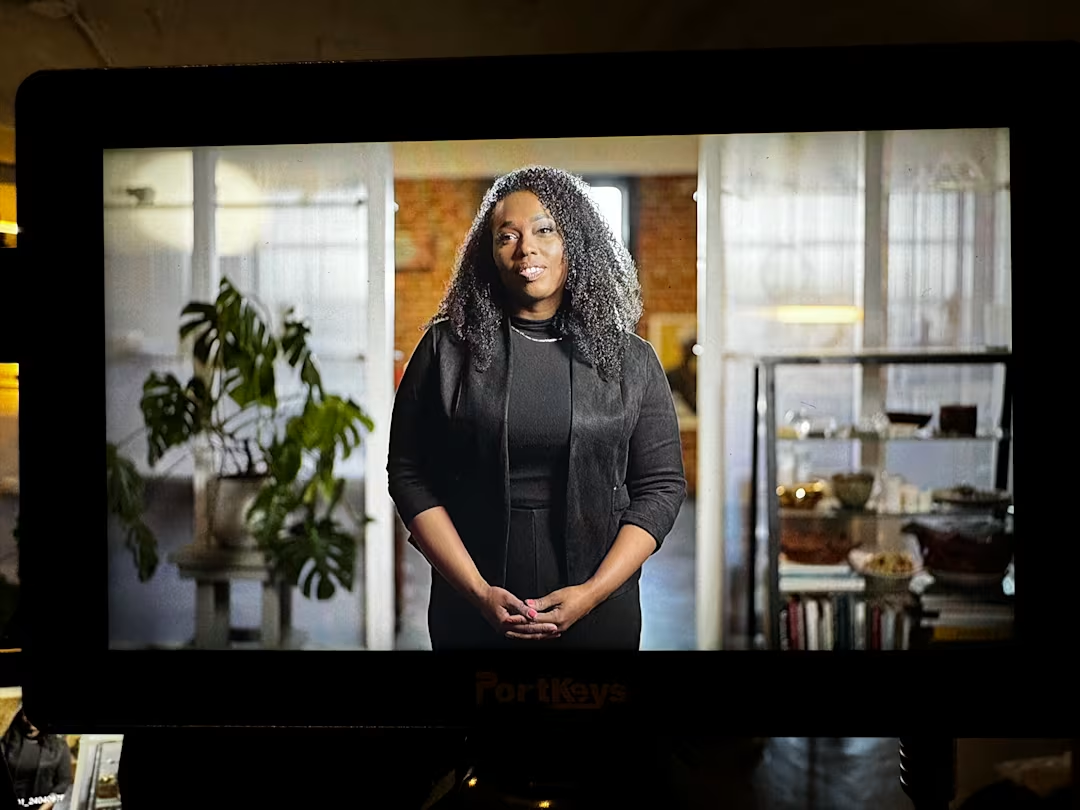
Why smart people freeze
I’ve filmed founders, engineers, doctors, and executives who know their subject cold. Put a camera on them and something changes. They start trying to remember the exact wording, stay concise, hold eye contact, and not make a mistake — all at once. That’s four jobs. Nobody does four jobs well while a lens is pointed at them.
A prompter takes three of those jobs off the table. What’s left is the one that matters: actually talking to the person on the other side of the camera.
The rambling problem
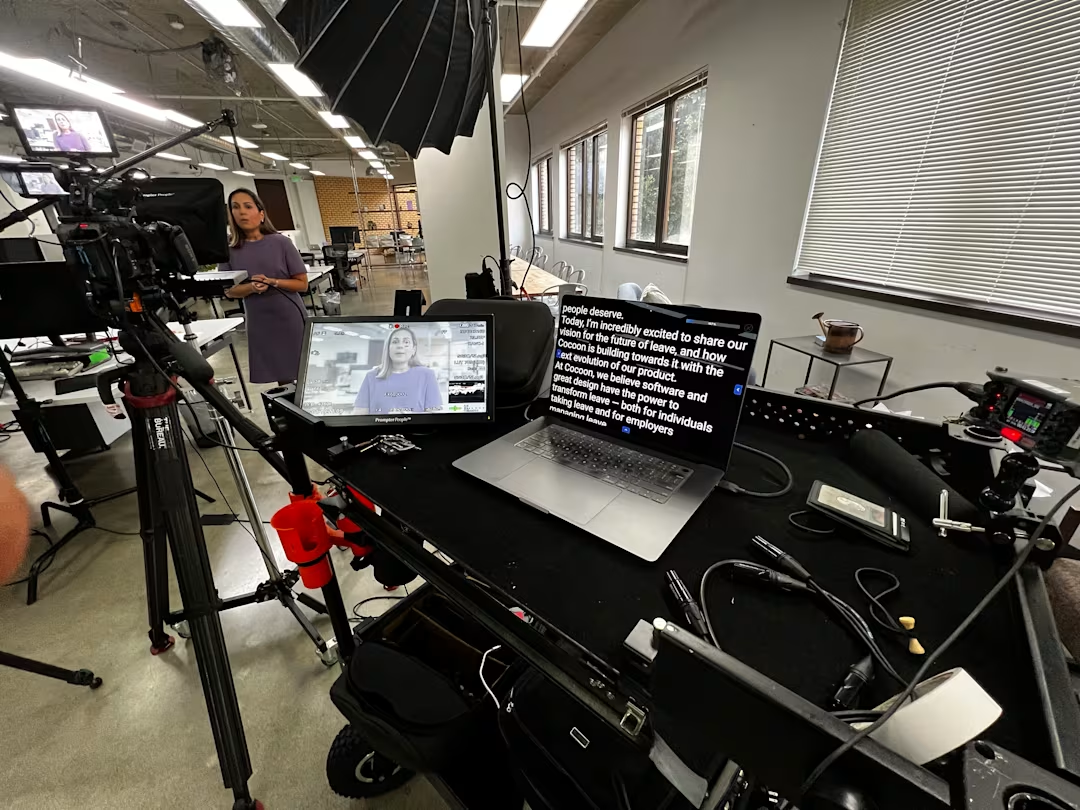
Without a prompter, interviews drift. The technical explanation runs long, the key point gets buried, the messaging changes a little with every take, and I spend an extra day in the edit stitching the best halves of six answers together.
With one, we get the clean version the first or second time. For an AI or robotics company, a SaaS platform, a healthcare tech team, or anyone talking to investors, that precision isn’t cosmetic. The exact words are the point.
It relaxes people. Really.
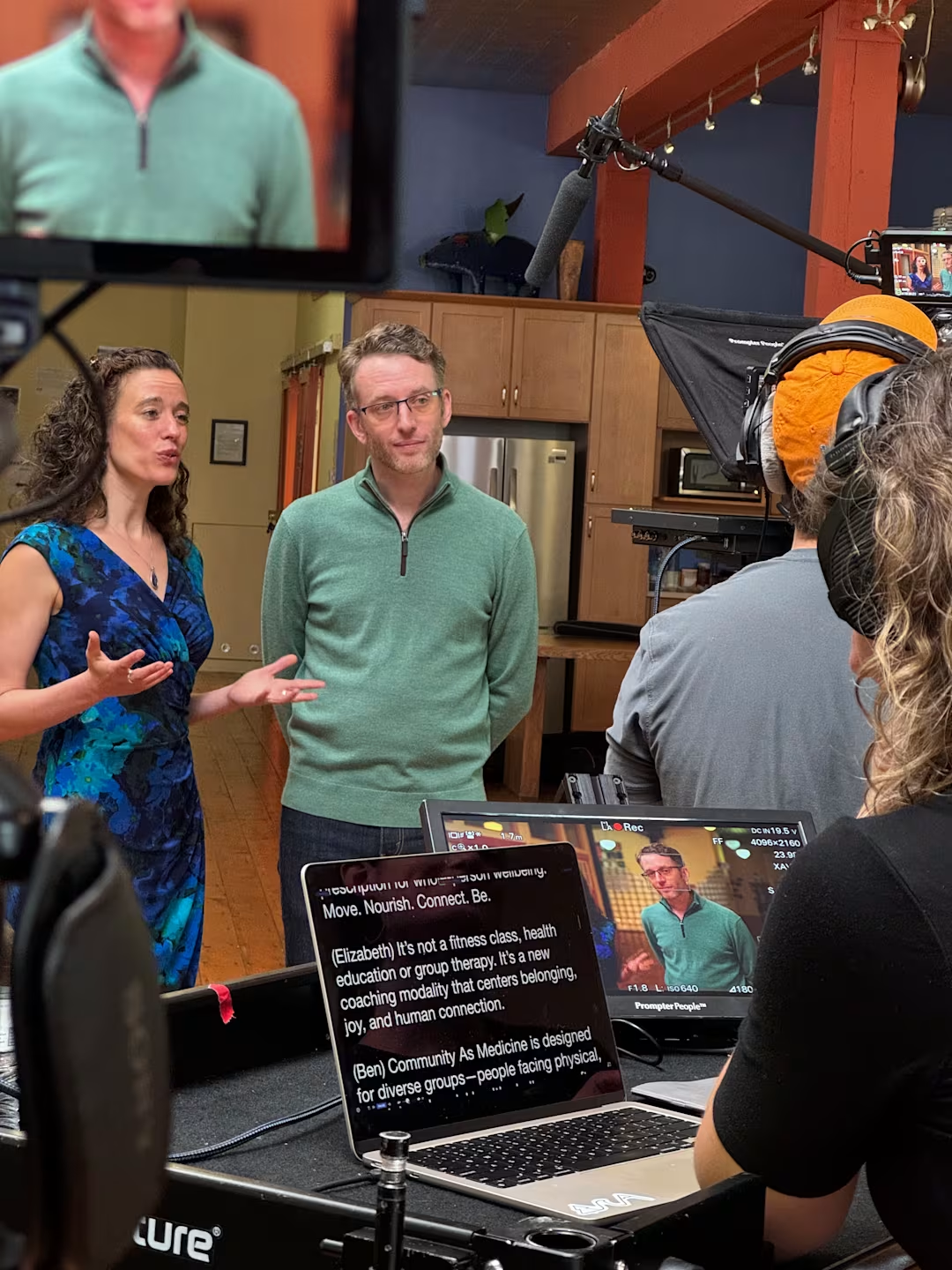
The objection I hear most is “won’t it make me sound scripted?” Almost always, the opposite happens. The moment someone realizes they don’t have to memorize anything, their shoulders drop. They stop performing recall and start communicating. That’s usually the take we use.
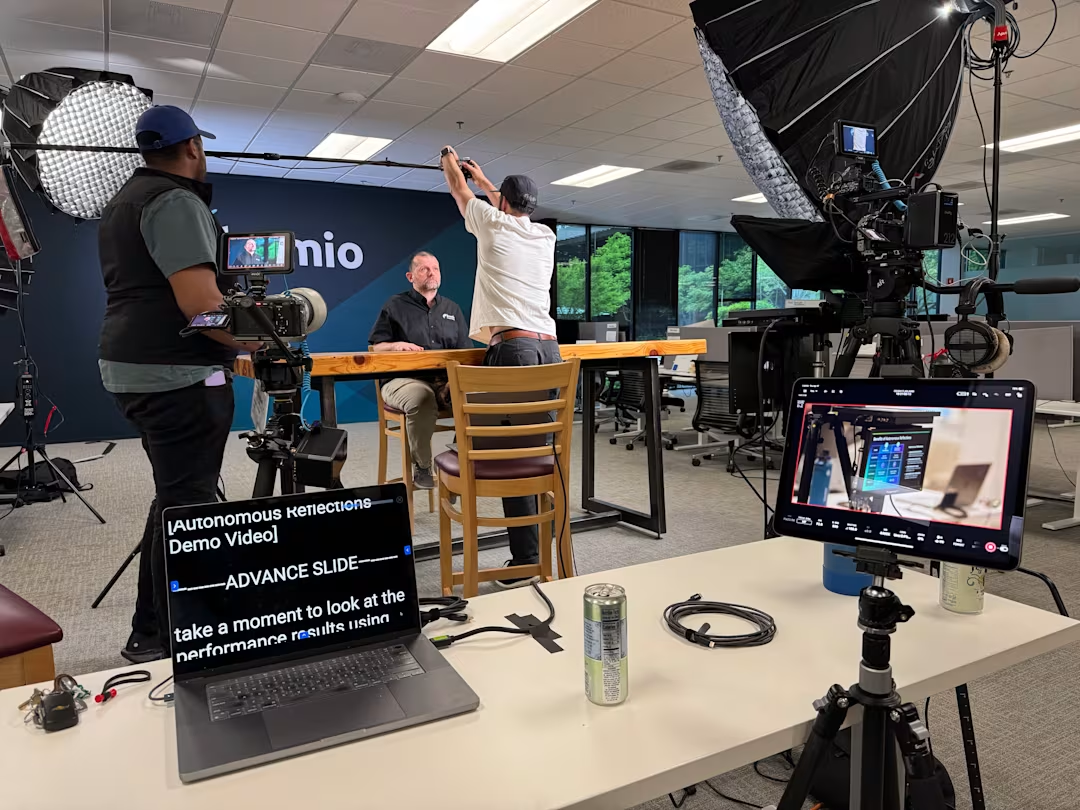
A good prompter setup is invisible
Done right, the audience never knows it was there. The eye line is natural, the scroll speed follows the speaker instead of the other way around, and I can rewrite a line between takes if something isn’t working. The goal was never to make someone sound scripted. It’s to get the stress out of the room so they can sound like themselves.
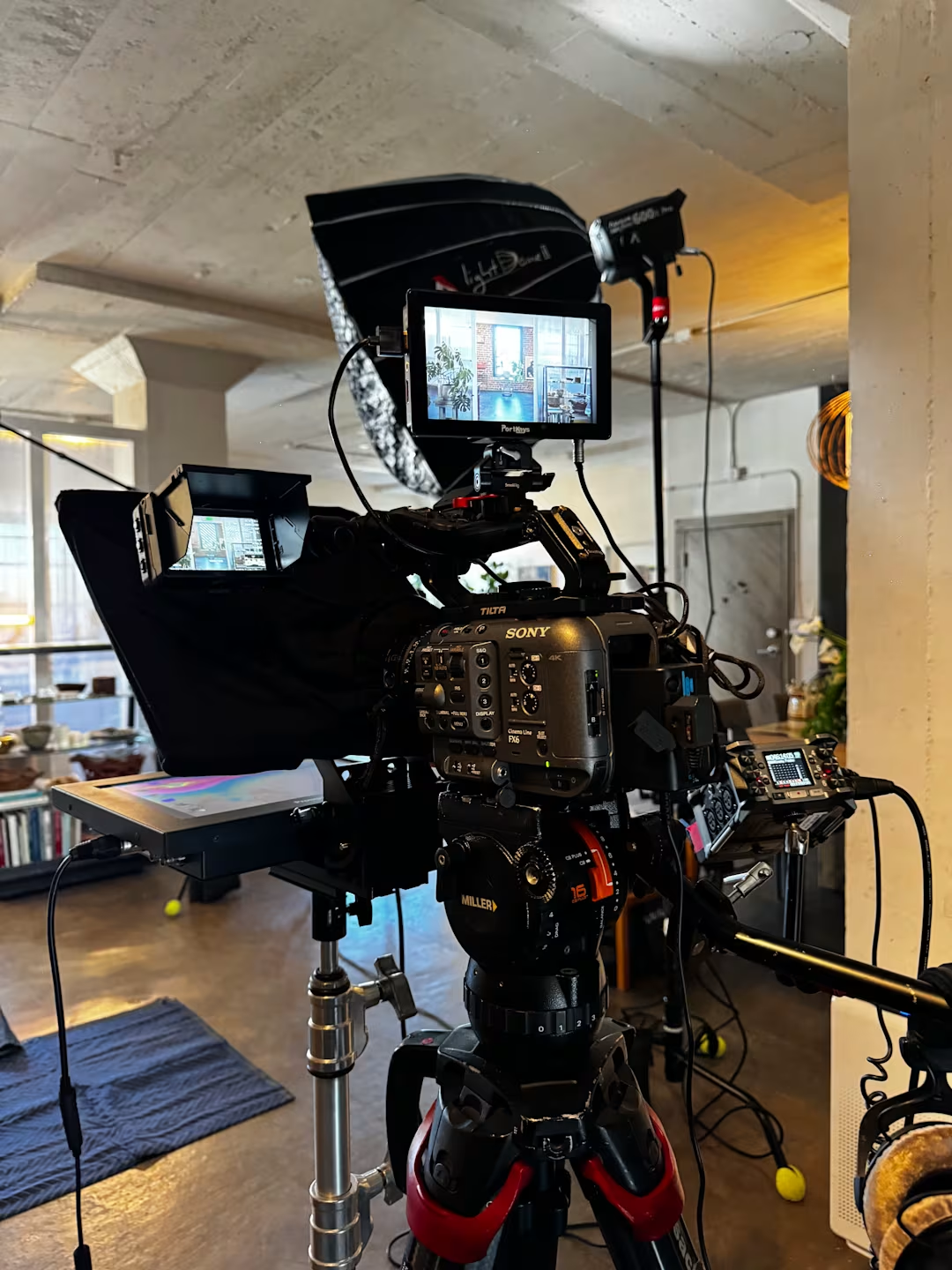
Why this matters in the Bay Area specifically
Tech companies have to explain complicated things to customers, investors, recruits, and partners, constantly, and the people doing the explaining are usually not professional presenters. A prompter is part of how I get a founder from “knows the material” to “communicates it” in a single session, without burning their afternoon.
If you’ve got someone on your team who needs to be great on camera and isn’t looking forward to it, that’s exactly the situation I like walking into.